
Case Study

Can You Spot the Fake Receipt?
An executive guide exploring the rise of AI-generated receipt fraud and how finance teams can eliminate expense vulnerability by replacing reimbursements with controlled corporate cards. AI-generated receipts are on the rise and getting harder to catch. Discover why the real risk is your expense process; not the paper and how to make fraudulent submissions impossible by design.
- Topic
- Security
- Published
- 22 Jul 2026
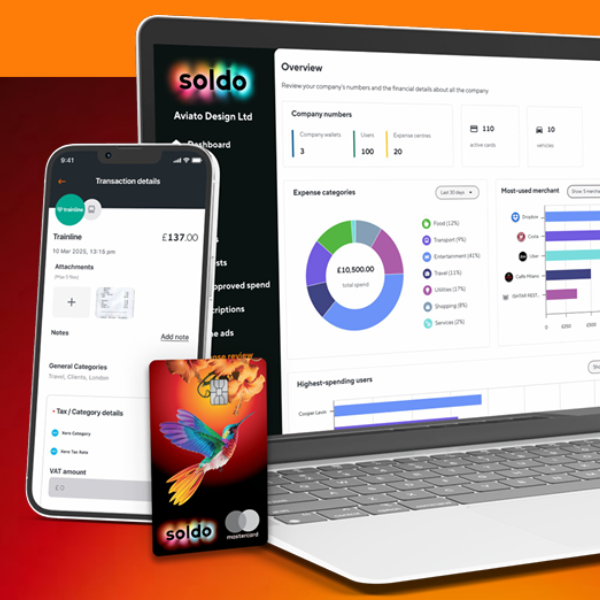
Fraudulent receipts are not new, but generative AI and online tools allow anyone to create convincing, branded, itemized receipts complete with custom logos, tax information, photographic shadowing, and point-of-sale metadata in under a minute.
When fake receipts look real and slip through, the core problem isn't the receipt, it's the process. Busy finance teams aren't forensic analysts. When reconciliation is manual and employee reimbursements are the norm, even small-scale fraud easily blends in.
Key Highlights:
Rising AI Expense Fraud: Generative AI tools allow users to create highly realistic, branded, itemized receipts in minutes.
Convincing Details: Fake receipts include accurate tax formatting, corporate logos, simulated photo shadowing, and POS metadata.
Record Fraud Statistics: UK businesses reported 421,000 confirmed fraud cases in 2024: a 13% increase and a record high, driven largely by AI.
Process vs. Paper: Fake receipts succeed due to process gaps like missing payment proof, delayed uploads, and unlinked transaction data.
Subtle Alterations: AI fakes often tweak line items, alter service charges, or miscalculate VAT subtotals to raise or lower totals unnoticed.
Overburdened Teams: Lean finance teams under heavy workloads cannot act as forensic analysts for every submitted claim.
Eliminating Reimbursements: The best way to prevent fake receipts is to eliminate employee out-of-pocket reimbursements entirely.
Out-of-the-Box Protection: Soldo provides safe, auditable spend controls from day one without requiring complex custom integrations or policy overhauls.
Automated Traceability: Automatic transaction tagging ensures end-to-end audit trails, full accountability, and complete spend visibility.
Proactive Card Rules: Built-in rules flag or block unusual transactions before money actually leaves the business.
Digital Matching: Expense management systems match live payment data directly to digital receipt uploads, closing compliance gaps.